What Causes a Transfer Case to Fail?

August 7, 2025

Worried About Your Transfer Case? We Can Help.


If you’re hearing clunking sounds, experiencing trouble shifting into 4WD, or seeing drivetrain warning lights, don’t ignore it. Catching transfer case issues early can save you thousands in future repairs.


What Causes a Transfer Case to Fail?


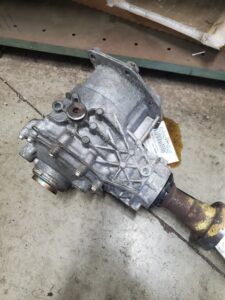
Your vehicle’s transfer case plays a crucial role in the drivetrain, especially in 4WD and AWD systems. It’s responsible for distributing power from the transmission to the front and rear axles, helping you maintain traction and control on slick Wisconsin roads. But like any hardworking component, the transfer case can wear down or fail—especially without proper care.


At Joe’s Slinger Service, we’ve seen our fair share of transfer case issues in vehicles around Washington County, and the surrounding areas. Here are the most common reasons transfer cases fail:


1. Low or Dirty Transfer Case Fluid


Over time, transfer case fluid breaks down or leaks out. If it gets too low—or becomes contaminated—it can’t protect internal gears from heat and friction. The result? Premature wear, grinding noises, and eventually, total failure.


2. Lack of Maintenance


Many drivers forget about the transfer case during regular service. Skipping fluid changes or ignoring recommended service intervals allows wear and debris to accumulate, damaging seals and components.


3. Heavy Towing or Off-Roading


Using your truck or SUV for heavy towing, plowing, or rough terrain without properly engaging 4WD (or doing so improperly) puts extra strain on the transfer case and can cause serious internal damage.


4. Worn Internal Gears or Chains


With time and use, internal parts like gears and chains simply wear out. High mileage, poor fluid condition, or tough driving conditions will accelerate this process.


5. Electrical Failures (In Electronic Transfer Cases)


Modern 4WD systems often rely on electronic shift motors and sensors. When those components fail, your vehicle may not shift into or out of 4WD properly—even though the transfer case itself may still be functional.


6. Mismatched or Uneven Tire Wear


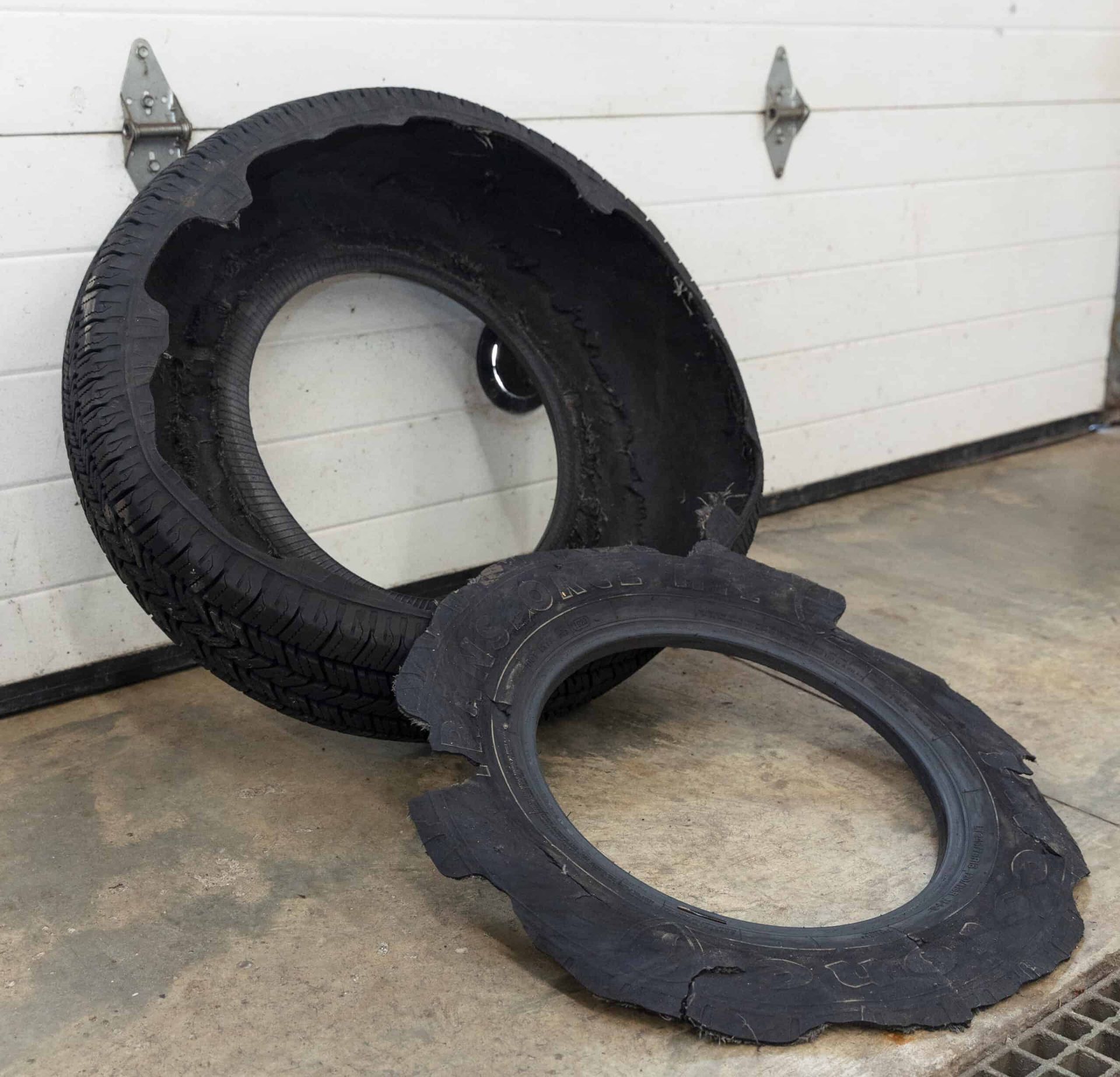
Running different tire sizes (or even significantly uneven tread depth) on AWD or 4WD systems can lead to drivetrain binding. That extra stress can wear out your transfer case much faster.


7. Improper Use of 4WD


Engaging 4WD on dry pavement in a part-time system causes excessive binding between the wheels and can quickly damage the transfer case. Always follow your owner’s manual instructions.


Stop in or call Joe’s Slinger Service in Slinger, WI. Our experienced technicians will inspect your drivetrain, check fluid condition, and help you stay safe and prepared for Wisconsin roads—rain, shine, or snow.


Serving Slinger, Hartford, West Bend, Jackson, and Beyond!


Whether you drive a Ford, Chevy, Jeep, Toyota, or Subaru, Joe’s Slinger Service has the tools and knowledge to keep your 4WD or AWD system running strong. Give us a call today at 262-644-8276 or schedule an appointment online.
Silver car differential on a concrete floor. | Joe's Slinger Service
December 10, 2025
If there’s one thing Wisconsin folks know well, it’s winter. Between the cold snaps, the surprise snow dumps, and those mornings when your car sounds as tired as you feel, it’s no wonder people ask us if gas can actually freeze in the tank when levels get low. Here’s the honest answer:
October 24, 2025
Buying a used car is a big decision. You want to make sure you’re getting a good deal — not someone else’s problem. At Joe’s Slinger Service, we understand how stressful it can be to shop for a vehicle that’s already seen some miles. That’s why we offer an affordable way
October 21, 2025
At Joe’s Slinger Service, we take pride in keeping your vehicle running strong — and that includes your transmission. It’s one of the hardest working systems in your car, and it needs clean, healthy fluid to do its job. Over time, transmission fluid breaks down. Heat, friction, and debris slowly
September 30, 2025
If you’re buying a car or your factory warranty is about to expire, you’ve probably been offered an extended warranty. It sounds good—extra protection, less worry—but is it really worth the cost? At Joe’s Slinger Service, we’ve worked with all kinds of warranties and seen the good and the not-so-good.
September 13, 2025
Where should I get new tires Joe's Slinger Service Slinger WI Nowadays you can buy tires absolutely anywhere at all different prices. How do you know where to purchase them from and what you need? Buying tires from the repair shop you use to do your vehicle’s maintenance
August 8, 2025
How to Tell if Your U-Joint Is Failing – Signs Every Driver Should Know Your vehicle’s drivetrain depends on many moving parts to keep power flowing smoothly from the engine to the wheels. One small but critical part is the U-joint (universal joint). This joint allows your driveshaft to flex
August 7, 2025
At Joe’s Slinger Service, we’ve seen our fair share of suspension issues roll into the shop—especially here in Slinger, WI, where rough roads and changing seasons can take a toll on your vehicle’s steering and control. One commonly overlooked culprit? The control arm. Your vehicle’s control
August 7, 2025
Trouble Starting Your Car? It Might Be the Starter If your vehicle struggles to start—or won’t start at all—it could be more than just a dead battery. One of the most common issues we see at Joe's Slinger Service is a failing starter. The starter is responsible for
August 7, 2025
Keeping your engine breathing clean air is one of the simplest ways to protect its performance and longevity. Yet, engine air filters are often overlooked when it comes to routine maintenance. At Joe’s Slinger Service in Slinger, WI, we regularly inspect and replace air filters for
August 7, 2025
When it comes to protecting your engine, one small but essential component often gets overlooked—the oil filter. At Joe’s Slinger Service, we want to make sure drivers in Slinger and surrounding Washington County, WI communities understand why this part matters and how often it should be replaced.